

The logistics industry is set to undergo significant transformation by 2026, driven by technology, customer demands, and global trade dynamics. Businesses and logistics providers alike are expected to adapt to faster, smarter, and more sustainable ways of moving goods.
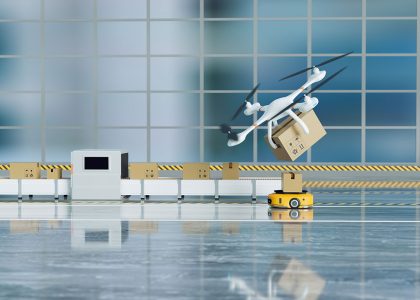
One key expectation is increased digitalization. Technologies such as real-time tracking, data analytics, and automated operations will become standard, improving efficiency and transparency across supply chains.
Customer expectations will continue to rise. Faster delivery times, accurate tracking, and clear communication will no longer be optional but essential for competitiveness. Logistics companies will need to prioritize reliability and customer experience.
Sustainability will also play a larger role. Companies are expected to adopt eco-friendly practices, optimize routes to reduce emissions, and invest in energy-efficient transportation methods to meet environmental standards and consumer expectations.
Finally, resilience and flexibility will be critical. With ongoing global uncertainties, logistics providers must build adaptable networks that can respond quickly to disruptions and changing market conditions.
By 2026, the logistics industry will be defined by innovation, efficiency, and the ability to deliver value in a rapidly evolving global economy.